



Before you buy another skincare trend
Ever noticed a breakout after a sugary snack and thought, wait, are these connected? One snack doesn't create a pimple overnight, babe. But what we eat regularly deserves a spot in the skincare conversation.
In esthetician school, we learned the four pillars of acne: excess oil, clogged pores, bacteria, and inflammation. That got me thinking: if you take away the inflammation, will this help acne? Yes, calming inflammation helps. Food is one way to support that, alongside skincare and treatment.
I love a facial. You know this. But before we buy another skincare trend, let's look past the surface. Taking care of your health is the ultimate form of self love, and your skin gets to be part of that care.
The four pillars of acne
Here's what's happening underneath that spot.
Excess oil: Sebaceous glands make sebum, your skin's protective oil. Too much contributes to congestion. We need oil, just not an overflowing pore!
Clogged pores: Dead cells mix with oil inside a follicle, forming a plug that becomes a whitehead or blackhead.
Bacteria: C. acnes naturally lives on skin. Certain strains and conditions inside the follicle help trigger inflammation. Acne doesn't mean your face is dirty.
Inflammation: Immune signals drive swelling, redness, and tenderness, sometimes before a spot is visible.
These overlap. Diet influences inflammatory pathways and oil related signals. Hormones, genetics, stress, and skincare matter too. Understanding your skin gives you ways to support it, not reasons to blame yourself.
What inflammatory foods do beneath the surface
Inflammation helps your body heal. The trouble starts when those signals stay turned up. Cells release messengers called cytokines, which activate other signals in an inflammation cascade. Around a follicle, that means irritation and swelling.
Blood sugar and oil: High glycemic foods raise blood sugar quickly. Think white bread, cornflakes, puffed rice, many white rice varieties, sugary drinks, and some pastries and potato preparations. Portions and the rest of your meal affect the response.
Insulin moves sugar into cells for energy. Repeatedly high insulin and related signals, including insulin like growth factor 1, encourage oil production and affect follicle cells. Lowering a consistently high glycemic load has some of the strongest dietary evidence for acne. Carbs still belong on your plate!
Omega 3 fats help regulate inflammation, zinc supports repair, and selenium supports antioxidant defenses. They aren't guaranteed oil suppressors. Nourishing your skin beats trying to strip it dry.
Glycation and AGEs: Sugars attach to proteins and other molecules, eventually forming advanced glycation end products. Persistently high blood sugar speeds this process. AGEs activate cell receptors called RAGE, increasing inflammatory signaling and oxidative stress. High, dry cooking heat creates AGEs in food too. Their role in skin aging is better established than claims that dietary AGEs cause acne.
Your barrier and gut: Enough food, protein, and essential fats support the barrier that keeps moisture in and irritants out. Gut microbes communicate with the immune system, part of the gut skin connection. Fiber feeds microbes that produce compounds supporting the intestinal lining. Acne alone doesn't diagnose a gut problem. Sometimes deeper skincare starts with making yourself lunch.

What the research says
I wanted more than a cute grocery list. The American Academy of Dermatology summarizes these studies:
Australia: Smith and colleagues studied 43 males, ages 15 to 25, for 12 weeks. The lower glycemic load group had a greater reduction in acne than the comparison group. Other changes, including weight loss, complicated separating out diet's effects.
Korea: Kwon and colleagues studied 32 people, ages 20 to 27, for 10 weeks. Acne improved more in the lower glycemic load group than with the usual diet.
United States: The AAD describes a survey involving 2,258 people. About 87% reported less acne, and 91% of those using acne treatment reported reducing its dose or frequency. These were self reports, not a controlled trial. Keep medication decisions with your prescriber.
Turkey: Researchers compared 50 people with acne and 36 without, using seven days of dietary records. Higher glycemic eating patterns were associated with acne. This wasn't a seven day treatment.
The trials are small and results vary, but there's real support for exploring food alongside skincare. Your health deserves that attention without a promise of perfect skin.
Foods to love
Let's add some nourishment! These foods bring benefits beyond your bathroom mirror.
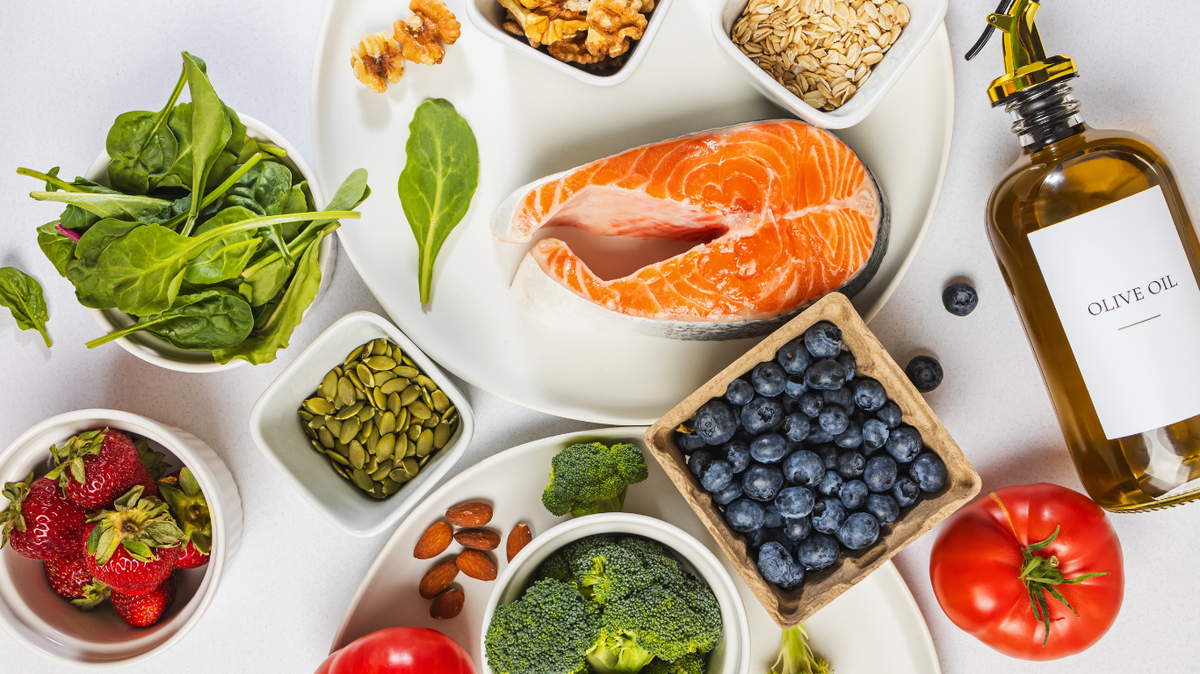
Omega 3s: Salmon, sardines, and mackerel provide EPA and DHA. Walnuts, ground flaxseed, and chia provide ALA, a plant omega 3. Conversion to EPA and DHA is limited, so they're different sources, all with a place at the table. Chia in overnight oats? Yes, please.
Colorful produce: Berries, purple cabbage, spinach, and bell peppers bring fiber, vitamins, and protective plant compounds. Carrots and sweet potatoes supply beta carotene for vitamin A. Lovely skin support, not a replacement for topical retinoids.
Legumes and whole grains: Beans, lentils, oats, and barley feed you and your gut microbes. A cozy lentil soup counts as skincare support in my book.
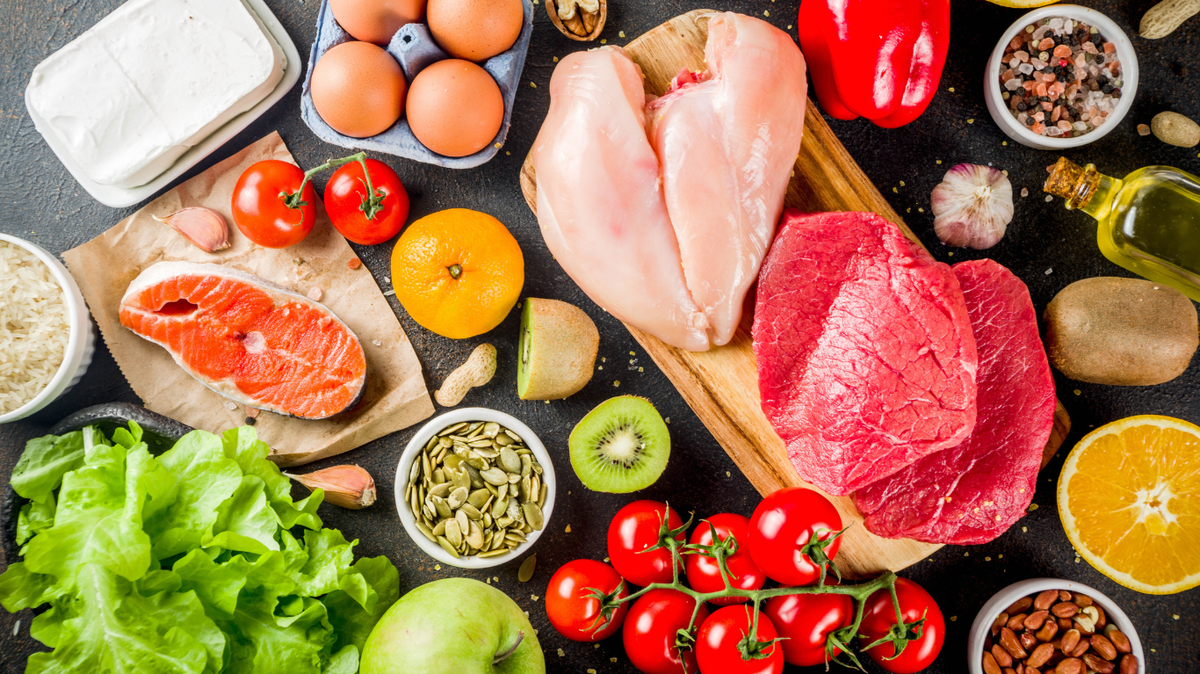
Zinc and selenium: Find zinc in oysters, beef, poultry, pumpkin seeds, and beans. Seafood, eggs, and Brazil nuts supply selenium. One or two Brazil nuts occasionally is plenty. Their selenium content varies, and handfuls every day add up fast.
Vitamin D: Fatty fish, egg yolks, and fortified milk or plant drinks contribute. Ask your clinician about suspected deficiency instead of guessing with supplements.
Fermented food bonus: Yogurt or kefir with live cultures, kimchi, and refrigerated sauerkraut add variety. Probiotic acne research is promising, but fermented foods aren't interchangeable with tested probiotic products. Not every fermented food contains live microbes.
Start with foods you enjoy. Feeding yourself well is self care too, babe!

Foods to go a little easier on
Gentle swaps, with enjoyment still invited.
Try sparkling water with fruit instead of soda sometimes. Pair bread or rice with protein, vegetables, and fats, or stir lentils into rice. Add seeds and berries to oats for a satisfying breakfast.
Studies link cow's milk, especially skim milk, with acne in some people. Yogurt and cheese don't show the same consistent association. If milk seems connected to your breakouts, explore a swap without losing nourishment. Unsweetened soy milk fortified with calcium and vitamin D is one option.
Coffee can stay. Evidence that caffeine itself causes acne is weak. Move it earlier if it disrupts sleep, or try less syrup if that sounds tasty.
Dried fruit brings fiber and nutrients, with sugars concentrated into smaller portions. Enjoy some with nuts or yogurt. Fresh fruit offers more volume when that's what you're craving.
Try roasted potatoes instead of fries sometimes, or a cozy stew. Roasting still creates AGEs; steaming, poaching, and stewing generally create fewer. Dinner should feel like care, not homework.
The benefits go beyond clearer skin
Health is wealth! Eating patterns rich in plants, legumes, whole grains, nuts, olive oil, and fish support heart and metabolic health. Mediterranean style eating is linked with lower cardiovascular disease risk and longer life. Lower inflammation is one part of that picture.
Research also links these patterns with fewer depression and anxiety symptoms. Food supports mental health; it doesn't replace treatment.
I want you feeling nourished, energized, and cared for, not just happy with a selfie. Pair satisfying meals with sleep and a hot girl walk. You deserve a long, happy life, and looking after yourself is a beautiful place to start!
Glow up from the inside out
Pick something easy this week. Berries at breakfast. Beans at lunch. Dinner instead of skipping it. Keep your favorite facial, and give the rest of you some love too!
This is education, not personal medical advice. For persistent, painful, or scarring acne, see a dermatologist. Getting support is self love, and you don't have to solve every breakout at the grocery store.
If you want more information about foods that help your skin glow, check out my blog about Eating your way to glowing skin.
Lets step away from skincare as just aesthetics and take a look at our health holistically. You will enjoy the many other benefits of this health journey! Health is wealth and you deserve to live as the healthiest, happiest, and most glowing version of yourself! You and your skin will thank yourself later.